
 +86 15151570337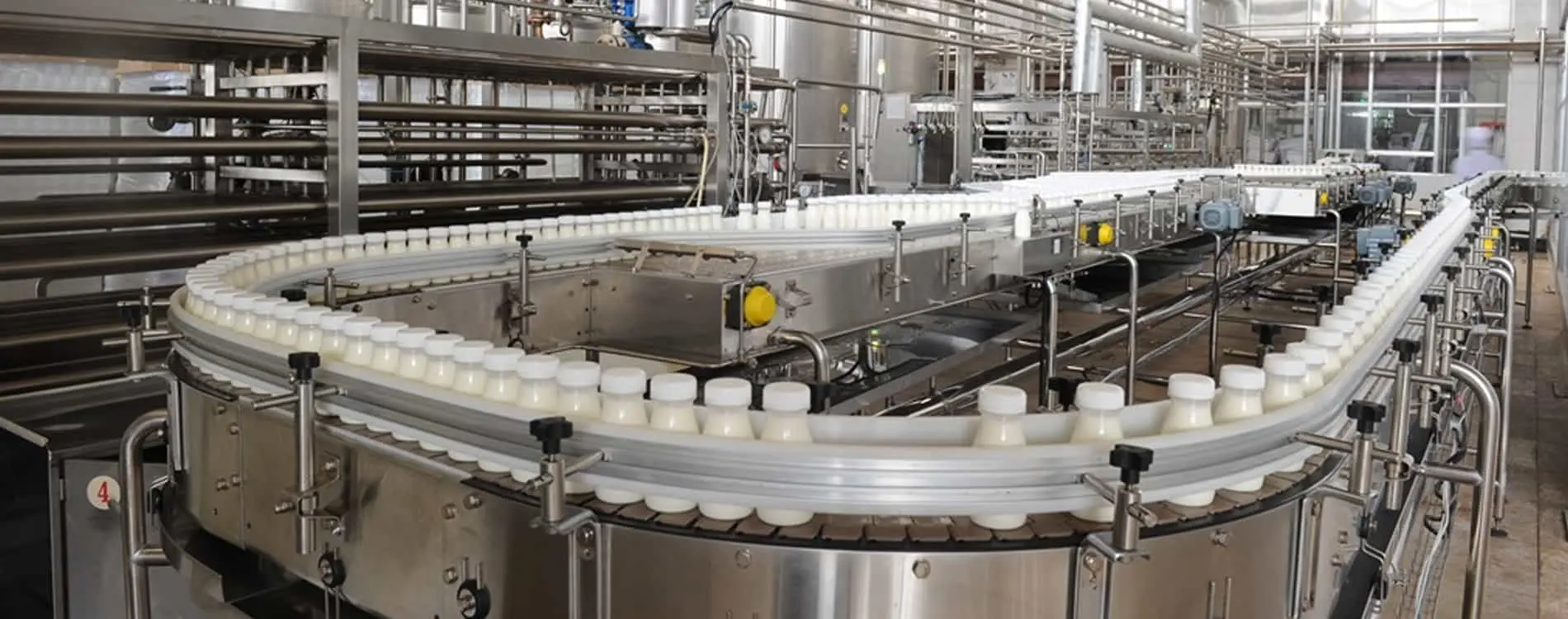
Dairy filling solutions
Dairy Filling Production Line
Equipment Selection Guide for Dairy Filling Lines
Suitable for filling milk beverages, milk, yogurt and other dairy products.
Adopting non-contact filling and aseptic isolation chamber technology to achieve ultra-clean or aseptic filling, meeting cold chain or ambient temperature filling requirements.
| Filling Method | Sanitation Mode | Low-Temperature Ultra-Clean (Wet or Dry Method) | Ambient Temperature Aseptic (Wet or Dry Method) | 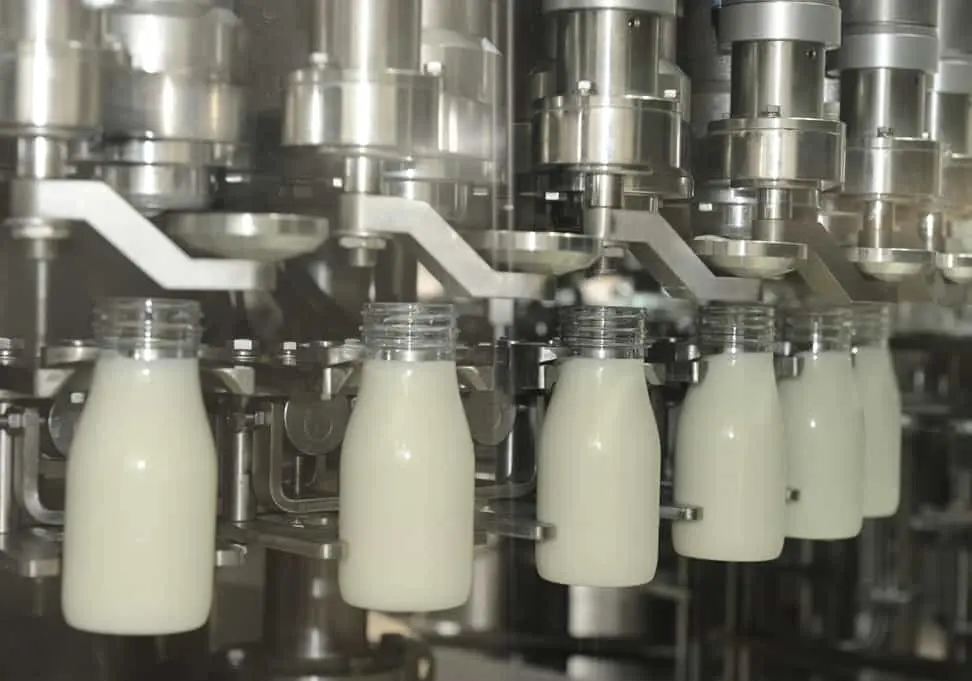 |
|---|---|---|---|---|
| Filling Technology | Mechanical Valve / Flow Meter Valve / Weighing Valve / Servo Piston Valve | Flow Meter Valve | ||
| Filling Characteristics | Controls microbial count through sterilization of packaging materials and spatial environment; performs product filling at low temperature requiring cold chain storage, with short shelf life, ensuring product quality without preservatives. | Ensures aseptic conditions through sterilization of packaging materials and spatial environment; enables product filling at ambient temperature with long-term storage, guaranteeing product quality without preservatives. | ||
| Applicable Products | Fresh milk, yogurt, etc. | |||
| Capacity | 6000-36000 bottles per hour | |||
| Key Solutions | Solves challenges including microbial control, filling dripping, material foaming, material viscosity and particle mixing. | |||
| Production Line Equipment | Bottle blowing (depalletizing / bottle sorting), empty bottle conveying, bottle rinsing, filling, capping, bottle coding, filled bottle conveying, visual inspection, labeling (sleeve labeling), case packing (wrapping / basket loading), case conveying, case coding, palletizing, film wrapping, etc. | |||
Tailored Complete Solutions

Project Evaluation
Conduct preliminary project evaluation based on customers’ production objectives, product characteristics, functional requirements, delivery schedule and other factors.

Solution Confirmation
Discuss and design the layout plan of the production line according to factory layout, and confirm the final project implementation details.

Parameter Design
Analyze and design technical parameters for the engineering project, including process, mechanical and electrical control design.

Project Execution
Formulate and supervise the manufacturing progress of the project until the project passes performance testing and acceptance.

Personnel Training
Improve the technical capabilities of production and maintenance personnel, and provide training on equipment operation and maintenance skills.

After-sales Service
Help improve efficiency and reduce costs through standardized, differentiated and value-added services.
Recommended Equipment


Secondary packaging system Secondary packaging system
Secondary Packaging System Supporting Solutions
Satisfy complex and diversified production, feature simple operation, realize intelligent collaboration with upstream and downstream equipment, and enable data communication to help build smart factories.
-
-
Bottle Conveying Systems
-
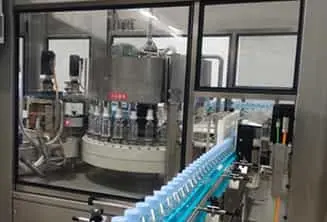
Labelling Machines
-
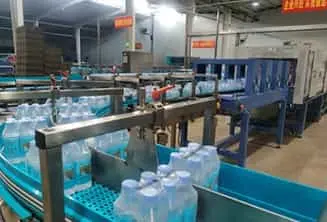
Film Shrink Wrappers
-
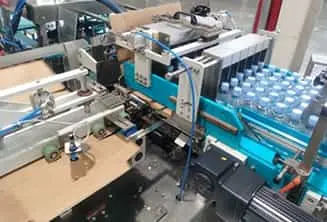
Wrap-around Case Packers
-
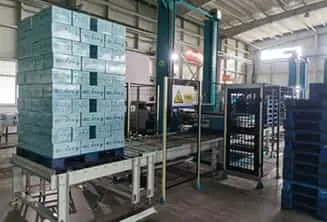
Palletizers